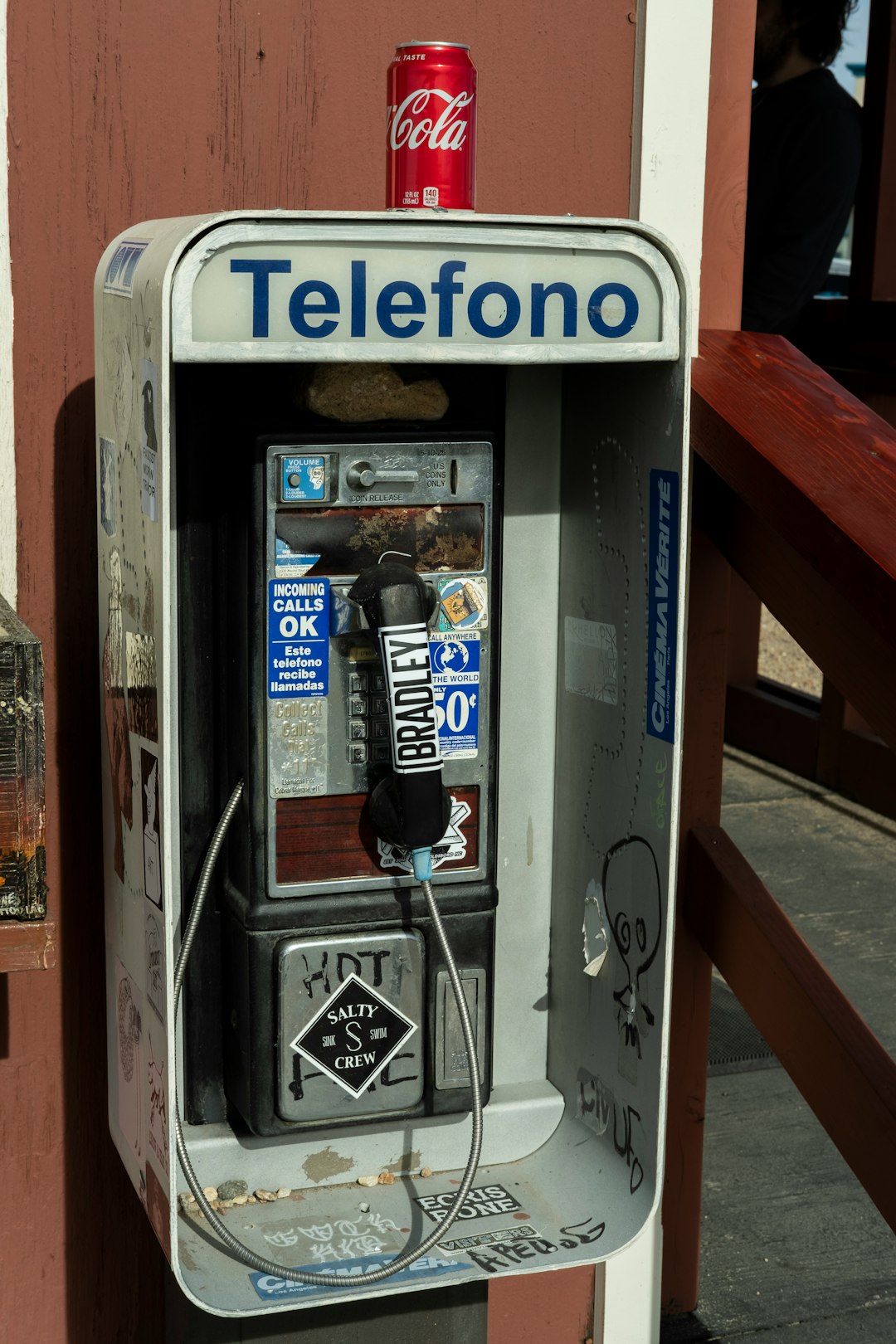
Phone scams pose a significant threat to residents of Billings, Montana. Community outreach programs focus on awareness and education to combat these schemes. Key strategies include: workshops detailing common scams, call blocking technologies, National Do Not Call Registry registration, collaborative reporting, law enforcement insights, neighborhood watch groups, and leveraging social media. "How to Stop Spam Calls Montana"-style emphasizes community engagement for collective protection against evolving phone fraud.
Phone scams are a persistent threat in Billings, Montana, with increasingly sophisticated techniques used to target residents. These fraudulent schemes not only lead to financial losses but also cause widespread anxiety and mistrust. As technology advances, so do the tactics of scammers, making it crucial to develop effective countermeasures. This article delves into community outreach programs designed to empower citizens with knowledge and tools to prevent phone scams, offering practical solutions on how to stop spam calls in Montana. By exploring successful initiatives, we aim to provide valuable insights for fostering a more secure and informed community.
Understanding Phone Scams in Billings, Montana

In Billings, Montana, phone scams have emerged as a significant concern for residents, posing a constant threat to their financial security and personal information. These fraudulent schemes, often involving imposter calls or robocalls, target individuals across various demographics, from the elderly to tech-savvy young adults. Understanding the nature of these scams is the first step in combating them effectively. Common phone scam tactics include impersonating government agencies, utility companies, or even local law enforcement to trick victims into revealing sensitive data like Social Security numbers, bank details, and credit card information. Scammers also use high-pressure sales tactics, falsely promising prizes or discounts to persuade people to send money or provide personal data.
The prevalence of phone scams in Billings underscores the need for proactive community outreach programs aimed at raising awareness and empowering citizens with knowledge on how to stop spam calls Montana. Local initiatives have begun to address this issue by educating residents about common scamming techniques, the importance of verifying caller identity, and available resources for reporting suspicious activity. For instance, the local Better Business Bureau (BBB) has launched dedicated campaigns to counter phone scams, providing practical tips such as never sharing personal information over the phone unless you initiated the call and verified the caller’s identity, as well as registering for National Do Not Call registry services.
Moreover, community partnerships with law enforcement agencies play a crucial role in combating phone scams. By collaborating on public awareness campaigns and facilitating reporting mechanisms, these entities can collectively mitigate the impact of fraudulent calls. Regular workshops, webinars, and informational sessions help residents stay informed about evolving scamming trends and available countermeasures. For example, local police departments have organized events where citizens learn to recognize red flags during suspicious phone interactions and report them promptly, thereby enhancing community safety and security.
Strategies to Protect Against Spam Calls

In Billings, Montana, community outreach programs have been instrumental in raising awareness about phone scams, a growing concern for residents. With the proliferation of spam calls, these initiatives focus on empowering individuals to protect themselves from fraudulent activities. One effective strategy is education; teaching citizens how to recognize and report suspicious calls is key to prevention. For instance, local organizations conduct workshops where they share common scamming tactics used by fraudsters, such as impersonating government agencies or offering non-existent prizes. By staying informed, Billings residents can be more vigilant against these deceptive practices.
A practical approach to safeguard against spam calls involves adopting multiple defensive measures. First and foremost, consumers should consider implementing call blocking and filtering technologies on their devices. Many phone service providers offer tools specifically designed to identify and block spam calls, significantly reducing unwanted contacts. Additionally, Montana residents can register their numbers in the National Do Not Call Registry, which restricts telemarketers from calling personal lines. This combined effort not only protects individuals but also helps in building a robust defense against widespread spamming activities.
Furthermore, community leaders emphasize the importance of a proactive approach to security. Encouraging residents to share experiences and report suspicious calls collectively strengthens the city’s resilience against scams. Local law enforcement agencies often collaborate with these initiatives, providing expert insights on identifying and mitigating phone-related fraud. Regular updates and news releases about emerging scam trends in Montana keep the community informed, enabling them to stay one step ahead of potential threats. This collaborative effort fosters a culture of awareness and security within the Billings community.
Community Engagement for Scam Prevention Success

Community engagement plays a pivotal role in the success of outreach programs aimed at preventing phone scams in Billings, Montana. Educating residents about how to stop spam calls becomes more effective when neighbors, community leaders, and local organizations work together. This collaborative approach leverages the power of shared knowledge and trust within the community. By organizing informational sessions, workshops, and peer-to-peer support networks, community members can learn to identify common scams, report suspicious activity, and protect themselves from potential financial losses.
The success of these initiatives often hinges on fostering a culture of vigilance and awareness. Community events that highlight real-life examples of scams can help demystify the tactics used by scammers. For instance, hosting panel discussions with local law enforcement officers who have encountered phone scam cases first-hand can provide valuable insights. Sharing data on the prevalence of spam calls in Montana further underscores the importance of collective action. According to recent studies, Montana residents experience an average of 1.5 spam calls per week, emphasizing the need for proactive measures.
Building a robust community engagement strategy involves leveraging existing social networks and establishing new ones. Encouraging community members to follow verified government accounts and non-profit organizations dedicated to consumer protection on social media keeps them informed about emerging scams. Additionally, creating neighborhood watch groups or local task forces focused on scam prevention enables residents to stay vigilant and support one another. By How to Stop Spam Calls Montana-style, these collaborative efforts not only mitigate the impact of phone scams but also strengthen the fabric of the community.